Cranham Estate Garden Maintenance Top Streets Serviced: A Practical Local Guide
If you're searching for Cranham Estate garden maintenance top streets serviced, you probably want a simple answer with a bit of substance behind it: which streets are typically covered, what routine maintenance actually includes, and how to judge whether a service is right for your garden. Fair enough. A tidy garden is not just about looks. It affects safety, privacy, kerb appeal, and how much work piles up month after month.
In Cranham Estate, garden care often needs to account for mixed property styles, mature planting, hedges that get away from people a little too quickly, and lawns that can turn patchy after a wet spell. This guide walks through the streets and service patterns you're most likely to see, what a proper maintenance visit should cover, and how to make sensible choices without overpaying or under-specifying the work.
Along the way, you'll also find practical advice on choosing between ongoing upkeep and one-off tidy-ups, a clear checklist, and an honest look at the mistakes that cost homeowners time and money. If you'd like a broader view of what's available, the services overview is a useful place to start, and for routine care the garden maintenance service page gives a good sense of what regular upkeep usually involves.
- Why Cranham Estate garden maintenance top streets serviced matters
- How it works
- Key benefits and practical advantages
- Who this is for and when it makes sense
- Step-by-step guidance
- Expert tips for better results
- Common mistakes to avoid
- Tools, resources and recommendations
- Law, compliance, standards, or best practice
- Options, methods, or comparison table
- Case study or real-world example
- Practical checklist
- Conclusion
- Frequently asked questions
Why Cranham Estate garden maintenance top streets serviced Matters
Let's face it: gardens in residential estates can go from neat to slightly unruly faster than most people expect. One week the hedge looks fine, the next it's leaning out over the path and the lawn is holding on by a thread. In Cranham Estate, regular maintenance matters because many gardens are visible from the street, shared boundaries can be close, and small issues tend to spread. A missed pruning cycle becomes a larger hedge job. A damp lawn becomes moss. A cluttered side return becomes a shortcut for weeds.
That's why the phrase top streets serviced matters here. People usually want reassurance that the service covers the roads and cul-de-sacs where they live, and that the work is relevant to their type of property. It is not just a postcode exercise. The real question is whether the garden team understands the local pattern of work: front gardens that need regular presentation, back gardens that need seasonal attention, and boundaries that need careful, tidy trimming rather than an aggressive cut-back.
There's another reason this topic matters. Gardens are personal. Some residents want a crisp, low-maintenance finish; others want borders, seasonal colour, and room for wildlife. A good local service can adapt to both. That flexibility is often more valuable than a one-size-fits-all approach, which, to be fair, rarely suits anyone for long.
How Cranham Estate garden maintenance top streets serviced Works
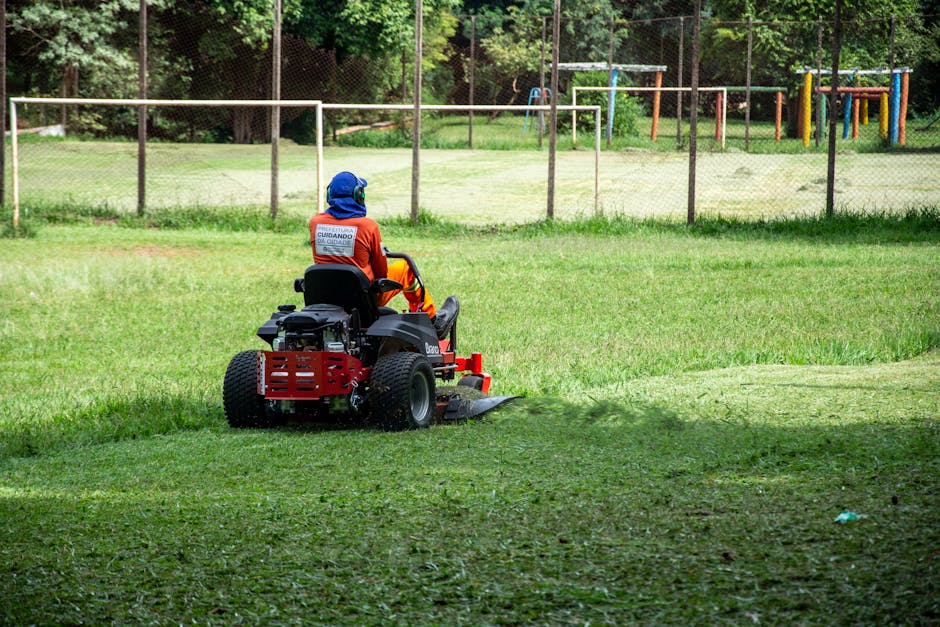
In practical terms, garden maintenance usually starts with a brief assessment of the property and the tasks needed. The work can be regular, seasonal, or a single tidy-up. For Cranham Estate homes, this often means combining lawn care, hedge trimming, border management, weed control, leaf clearance, light pruning, and disposal of green waste where needed. A maintenance visit should feel organised rather than rushed.
Street coverage is normally planned by route efficiency. That means teams group nearby homes together so service runs are workable and timely. For residents, that can mean fewer delays and a more predictable schedule. For the gardener, it means they can spend more time on actual maintenance and less time zig-zagging between jobs. Simple, but important.
A proper service also adapts to season. Spring is often about recovery and growth management. Summer is about keeping everything clipped, watered sensibly, and visually tidy. Autumn brings leaf fall, border clearance, and debris removal. Winter is quieter for some tasks, but not for all; bare branches, drainage issues, and weather damage can still need attention. If you want a more detailed breakdown of specific tasks, the lawn mowing and hedge trimming pages are helpful companion reads.
In normal practice, a visit works best when the homeowner is clear about priorities. For example: "keep the front lawn neat every two weeks, trim the hedge monthly, and clear the back border once a season." That kind of instruction makes the outcome much better. It sounds basic, but it saves a lot of back-and-forth.
Key Benefits and Practical Advantages
Regular garden maintenance is not just about making the place look nice for the weekend. There are several practical benefits that show up quickly once the routine is in place.
- Better first impressions: A well-kept front garden makes the whole property feel cared for.
- Lower long-term effort: Smaller jobs done regularly are easier than one huge seasonal reset.
- Improved plant health: Pruning, feeding, and timely clearance reduce stress on shrubs and lawns.
- Fewer access issues: Paths, gates, and side passages stay safer and easier to use.
- Cleaner boundaries: Neatly managed hedges and borders avoid neighbour friction.
- Less waste build-up: Leaves, cuttings, and dead growth are less likely to pile up into a bigger job.
There's also a less obvious benefit: peace of mind. You know the garden is not quietly turning into a project that will steal your Saturday. That can be surprisingly valuable when life is already busy.
For some homes, maintenance is also the first step before improvements such as decking or landscaping. If a space has good bones but poor structure, a tidy and consistent maintenance plan can reveal what is worth keeping and what needs redesigning. You can explore that side of things through decking services or broader landscaping options if you're thinking beyond routine care.
Who This Is For and When It Makes Sense
This kind of service suits a wide mix of households. Some people want routine help because they work long hours and simply do not want to spend every spare hour on the garden. Others are older, injured, or managing a large plot that is becoming harder to maintain safely. And then there are those who genuinely love gardening, but only want help with the heavy or repetitive tasks. Nothing wrong with that at all.
Cranham Estate garden maintenance top streets serviced is also a good fit if your property has any of these features:
- Fast-growing hedges or screening shrubs
- A lawn that needs regular cutting to stay presentable
- Front and rear gardens with different care needs
- Weedy borders that keep reappearing after rain
- Leaf fall from mature trees or nearby planting
- Side access paths that gather moss, cuttings, or general debris
It makes sense most when neglect has not gone too far. If the garden is already severely overgrown, a clearance visit may be needed before maintenance can be meaningful. In that case, a one-off reset through garden clearance can make the follow-up maintenance much simpler. Truth be told, a lot of people need both: first the clean slate, then the steady upkeep.
Step-by-Step Guidance
If you're new to arranging garden maintenance, here's the simplest way to approach it.
- Walk the garden first. Make a quick note of what is bothering you most. Is it the hedge, the lawn, weeds, leaves, or all of it?
- Separate urgent tasks from routine tasks. A broken branch is urgent. A tired-looking border is routine. That distinction matters.
- Decide how often you need help. Weekly, fortnightly, monthly, or seasonal visits all work in different situations.
- Be specific about the finish you want. "Tidy" can mean different things to different people. Say whether you prefer sharp edges, soft natural borders, or a very low-maintenance look.
- Ask what is included. Cutting, raking, weeding, waste removal, and light pruning are not always bundled the same way.
- Review access and safety points. Gates, pets, awkward slopes, shared paths, and water access can all affect how the work is done.
- Check the aftercare plan. Good maintenance is ongoing. Ask how the next visit will be timed and what to watch for in between visits.
A practical example: if your front hedge is blocking light and your lawn is thinning beneath it, the answer may not be "more mowing". It may be a mix of hedge trimming, edging, and better light management. Small diagnosis, big difference.
Expert Tips for Better Results
One of the biggest differences between an average garden and a consistently tidy one is rhythm. The best results come from keeping on top of the work before problems become visible from the pavement. That sounds obvious, but many people wait until everything looks embarrassing before they call for help.
Here are a few practical tips that make a real difference:
- Keep mowing steady during growth periods. Cutting little and often is usually better than letting grass get long, then scalping it back.
- Trim hedges before they harden off too much. Fresh growth is easier to shape and less likely to leave a rough finish.
- Don't over-clear borders. A bare border often becomes weedy again quicker than a lightly managed one.
- Leave room for airflow. Crowded beds can trap dampness and encourage moss or disease.
- Use seasonal timing. Leaf clearance is not a "whenever" task in autumn. It works best if done regularly.
If your garden sits in partial shade or under mature planting, you may need a slightly different routine than a fully open plot. That's normal. In fact, it's usually the mark of a better service when the plan adapts rather than forcing every garden into the same checklist. A little judgement goes a long way, and yes, a clean pair of shears helps too.
Common Mistakes to Avoid
Some garden maintenance problems repeat because people assume the answer is always more cutting. Usually it isn't. Here are the common traps.
- Waiting too long between visits: This creates bigger jobs and a rougher finish.
- Cutting hedges too hard: Over-pruning can leave brown patches or stress the plant.
- Ignoring waste removal: Cuttings left behind can smother grass or make borders messy again within days.
- Using the wrong frequency: A weekly-looking garden with monthly visits often ends up looking tired.
- Forgetting drainage and access: A wet path, blocked drain edge, or narrow side return can cause recurring mess.
- Not setting priorities: If everything is urgent, nothing gets done properly. That one stings, but it is true.
Another mistake is choosing maintenance based only on price. Cheapest is rarely best if the service is too light or too irregular. A slightly better plan can save money over time because it avoids catch-up work.
Tools, Resources and Recommendations
You do not need a massive toolkit to keep a garden in decent shape, but the right equipment matters. For routine maintenance, professionals typically rely on reliable mowers, edging tools, secateurs, hedge trimmers, rakes, pruners, and proper waste sacks or collection methods. For homeowners, the same rule applies at a smaller scale: keep your tools sharp, clean, and safe to use. A blunt blade is how good grass gets torn instead of cut.
For larger maintenance projects, it often helps to think in categories:
- Grass care: mowing, edging, and basic feeding or scarifying where appropriate
- Hedge and shrub care: trimming, shaping, and light pruning
- Border care: weeding, deadheading, mulching, and tidying
- Clearance work: leaf removal, branch collection, and disposal
- Structure and hard landscaping: paths, decking edges, and access points that need sweeping or washing down
If your garden includes timber features, the condition of the deck or retaining edges can matter more than people think. Damp, algae, and loose debris can turn into ongoing maintenance headaches. When that's the case, it may be worth checking decking services alongside routine garden care, so the overall space stays neat rather than looking half-finished.
For residents who want broader seasonal help, the service mix can be joined up with lawn mowing, hedge trimming, and, where needed, tree lopping and removal. That combination is often more practical than booking isolated jobs one by one.
Law, Compliance, Standards, or Best Practice
Garden maintenance in a residential setting is not usually complicated from a compliance point of view, but there are sensible standards that matter. Work should be carried out safely, with due care for neighbours, property boundaries, footpaths, and waste handling. If any work involves ladders, power tools, or branches overhanging shared spaces, proper risk awareness is important. Nothing dramatic, just the basics done properly.
Best practice in the UK context generally includes:
- Using equipment safely and keeping it in workable condition
- Managing green waste responsibly
- Minimising disturbance to neighbouring properties
- Being cautious around slippery surfaces and unstable ground
- Checking whether larger tree work needs specialist attention
For homeowners, the main practical duty is often less about regulations and more about preventing avoidable issues. A garden left in poor condition can become a trip hazard, a drainage nuisance, or a neighbour dispute. That's why regular maintenance is more than cosmetic. It's ordinary good care.
If you want to understand service standards and working practices in more detail, it can also help to review the company's insurance and safety approach, plus its health and safety policy. For waste handling and responsible disposal, the recycling and sustainability page is useful too. Small things, but they tell you a lot about how seriously a service is run.
Options, Methods, or Comparison Table
Not every garden needs the same level of input. Here's a simple comparison to help you decide what suits your situation best.
| Approach | Best for | What it usually includes | Main downside |
|---|---|---|---|
| One-off tidy-up | Gardens that have slipped behind | Cutting back, clearing debris, basic reset | Doesn't prevent regrowth or recurring mess |
| Seasonal maintenance | Homes with moderate growth and leaf fall | Spring, summer, autumn attention | Can still look uneven between visits |
| Regular maintenance | Busy households and visible front gardens | Mowing, hedge work, weeding, ongoing tidying | Needs a consistent schedule |
| Combined maintenance and clearance | Overgrown or neglected gardens | Initial reset plus follow-up upkeep | Costs more upfront, though often worthwhile |
For many Cranham Estate homes, the best answer is a mix: regular upkeep most of the year, with occasional clearance or seasonal work when growth spikes. That's usually the sweet spot. Not too much. Not too little.
Case Study or Real-World Example
A typical Cranham Estate job might start with a front garden that looks fine from a distance but is actually carrying a few quiet problems: the hedge has widened onto the pavement line, lawn edges have blurred, and leaves are collecting in the side return. Nothing dramatic. Just enough to make the place feel a bit tired.
On the first visit, the priority would usually be to restore shape: trim the hedge, redefine the lawn edge, clear debris, and remove dead material from borders. If the rear garden has been left alone for a while, it may need a more hands-on tidy-up, especially if the lawn is patchy or weeds have threaded through the planting. Then the second phase is maintenance: shorter visits, lighter work, and a routine that keeps the space from drifting back to square one.
The real win here is not perfection. It is control. Once a garden is under control, it becomes enjoyable again. You can open the back door without thinking, "Oh no, not that again." And honestly, that feeling is worth a lot.
Practical Checklist
Use this before booking or planning work in Cranham Estate:
- Decide whether you need one-off help or regular maintenance
- List the most urgent tasks first
- Check whether the front, rear, and side areas all need attention
- Note any hedges, shrubs, or trees that need special care
- Think about waste removal and how much green waste may be produced
- Consider whether access is easy or awkward
- Ask what seasonal follow-up would make sense
- Make sure your preferred finish is clear: neat, natural, or low-maintenance
- Review whether the work needs to be paired with clearance or landscaping
- Choose a service that feels organised, careful, and realistic
Expert summary: the best Cranham Estate garden maintenance plan is usually the one that fits your garden's growth rate, your available time, and the level of presentation you actually want. Not the fanciest plan. The right plan.
For next steps, it can be helpful to compare your maintenance needs with the company's wider offer via services overview, then look at pricing and quotes if you want a clearer picture of what different job sizes may involve.
Get a free quote today and see how much you can save.
Conclusion
Cranham Estate garden maintenance top streets serviced is really about dependable local upkeep, sensible scheduling, and knowing which jobs matter most before the garden starts to run away from you. If your home is on one of the estate's busier or more visible streets, regular care can make a surprising difference to how the property feels day to day. Tidy hedges, healthy lawns, clearer borders, and fewer little jobs hanging over your head. That adds up.
Whether you need a light seasonal tidy, a regular maintenance plan, or a fuller reset before you start over, the key is to be honest about the condition of the garden and realistic about the level of support you want. If you get that part right, the rest becomes much easier. And a nicer garden, to be fair, just makes life feel a bit calmer.
Frequently Asked Questions
What does Cranham Estate garden maintenance usually include?
It usually includes mowing, hedge trimming, border tidying, weed control, leaf clearance, and general garden cleanup. Some visits may also include light pruning or waste removal, depending on the job.
Which streets are typically covered by top streets serviced in Cranham Estate?
Coverage is normally based on route planning and local demand rather than a rigid public list. If you live in or near Cranham Estate, the easiest way is to ask whether your street falls within the current service route.
How often should a garden in Cranham Estate be maintained?
That depends on the size of the garden and how quickly it grows. Many front gardens benefit from fortnightly or monthly attention, while larger or shadier plots may need a slightly different rhythm.
Is a one-off tidy-up enough, or do I need regular maintenance?
If your garden is already in good order, a one-off tidy-up may be enough for a while. If growth is fast, borders are messy, or the lawn needs constant attention, regular maintenance usually gives better results.
What is the difference between garden clearance and garden maintenance?
Garden clearance is more about removing overgrowth, debris, and accumulated waste. Garden maintenance is ongoing work that keeps the space neat after the initial reset. Many gardens need both, in that order.
Can garden maintenance help if my hedge is getting too big?
Yes, although hedges sometimes need a proper trimming plan rather than a quick cut. If growth is substantial, hedge shaping may need to be paired with follow-up maintenance to keep it under control.
Do I need to prepare the garden before a maintenance visit?
A little preparation helps. Move fragile items, unlock gates, and mention any areas that need careful attention. If there are pets, make arrangements so the team can work safely and without fuss.
What happens to the green waste after maintenance work?
That depends on the service and the agreed scope. Waste is usually collected, bagged, or removed as part of the job. If sustainability matters to you, ask how clippings and debris are handled.
Is garden maintenance worth it for a small garden?
Absolutely. Small gardens can look untidy very quickly because every edge is visible. A little regular care can have a bigger impact than people expect, especially on front gardens.
Can garden maintenance include more than mowing and weeding?
Yes. It can include shrub care, hedge work, clearing leaves, light pruning, and even elements of landscaping support if the garden needs a broader reset.
How do I know if my garden needs professional help?
If you keep putting off the same jobs, if the work feels physically awkward, or if the garden looks worse after your own attempts, that is usually a good sign. No shame in it. Gardens can be stubborn.
Should I ask about insurance and safety before booking?
Yes, especially if the job involves ladders, tools, or larger pruning work. A professional service should be able to explain its safety approach clearly and without making it sound like a mystery.